
PAVATI - The EVOLUTION OF WATER TREATMENT
Commercial-grade water treatment designed to remove contaminants, preserve mineral balance, and maintain consistent water quality. Available in turnkey kits or modular assemblies built to your water profile.

Pavati water products
Pavati has developed the most advanced point of entry water treatment products for the food and beverage space. We’ve accomplished this by blending the latest water filtration technologies into a modular and scalable system.
If your water supply is compromised, the Pavati system allows customers to easily upgrade existing treatment without removing core components.
Pavati Water Products are built to meet and exceed your most demanding water quality requirements.
For more information about our products and solutions please contact us today.
WATER Treatmeant APPLICATIONS
Order a water test kit / send water sample
Baseline report identifies target contaminants.
Site specific system -
Point of entry utilizing UF and RO filtration as needed. Or point of use.
Professional installation
Coordinated by Pavati or your local installation partner.
Ongoing service & replacements
Scheduled maintenance and cartridge replacement options.
Why choose Pavati
Tailored solutions: Pavati emphasizes a modular approach—testing your water first, then recommending the appropriate system to remove the contaminants present, rather than applying a generic filter.
Experience: With years of industry experience, we will recommend the right mix of filtration technologies for your unique application
Component partnerships: Pavati sources components and media from established suppliers to build dependable systems
What affects the quality of your water?
Sediment, sand, rust
Chlorine and chloramine
Volatile organic compounds (VOCs) and many synthetic organics
Iron, manganese, and tannins
Hardness
Heavy metals and dissolved solids
Microbial contamination
Note: The effectiveness of any contaminant depends on the system type and properly maintained cartridges/media—always confirm reductions using product specifications and, when available, third-party test results.
How Pavati WATER systems work
A well-designed Pavati system combines several proven treatments.
Specific stages vary by model and water test, but commonly include:
Sediment pre-filtration — Removes sand, rust, and large particulates to protect downstream media and improve flow.
Carbon adsorption — Granular/activated carbon media to reduce chlorine, organics, taste and odor issues, and some VOCs.
Specialty media (iron/oxidation/softening) — Media targeted to remove iron, manganese, or to condition hard water, depending on your source water problems.
Reverse osmosis (point of use) — For sophisticated equipment in most kitchens, convenience stores, and coffee houses. (removes dissolved solids, heavy metals, fluoride, nitrates, etc.).
Electrolytic disinfection (Recommended) — In systems treating biological risks, BioSure is the most advanced electrolytic ozone system, emitting no harmful byproducts. BioSure kills Listeria, E.Coli, Salmonella, and 99.99% of other viruses, bacteria, and pathogens on contact, leaving no chemical residue behind.
(Exact stage selection is based on a water analysis, so Pavati recommends testing before system selection.)
What Is BioSURE Ozone and How Is It Used for Sanitization?
Ozone is a naturally occurring form of oxygen known for its powerful sanitizing and disinfecting properties. As a highly reactive oxidant, ozone attacks and breaks down the outer membranes of microorganisms, effectively destroying bacteria, viruses, and other pathogens. When used in water treatment—known as ozonation—ozone is infused into water where it rapidly neutralizes contaminants without altering the water’s taste, smell, or chemical composition.
Ozonated water has been used for more than 100 years in sanitation processes around the world. It is recognized as an approved sanitizer by the U.S. Environmental Protection Agency (EPA) and is widely utilized across various industries. In 2001, the U.S. Food and Drug Administration (FDA) approved ozone for direct contact with food, further validating its safety. Ozone sanitation is also HACCP-compliant, and testing by the UK’s Campden BRI has confirmed its performance to be as effective as leading chemical sanitization methods.
Benefits and Applications of Ozone Water
Ozone water treatment is one of the most effective ways to eliminate harmful microorganisms from surfaces and water systems. Because ozone naturally converts back into oxygen once the sanitizing process is complete, it leaves behind no chemical residue, no odor, and no harmful by-products. Unlike chlorine and other chemical cleaners, ozone is non-corrosive and does not produce unpleasant tastes or fumes.
Key Benefits of Ozone Water:
Kills bacteria and viruses quickly: Ozone works up to 3,000 times faster than chlorine and is 50 times more effective as a disinfectant.
Environmentally friendly: After use, ozone reverts back to oxygen, making it a sustainable and green cleaning solution.
Safe for users: No toxic chemicals, no irritation, and no lingering residues.
Non-corrosive: Gentle on equipment, surfaces, and materials compared to traditional chemical sanitizers.
Where Ozone Water Is Commonly Used:
Ozone water is a preferred sanitation method in industries that demand high levels of hygiene and safety, including:
Healthcare facilities such as hospitals, clinics, nursing homes
Educational environments like kindergartens and schools
Food safety and food processing industries
Commercial and industrial laundry systems
Municipal and private water treatment facilities
Beverage and bottling plants, where ozone is used for sanitizing bottles and production lines
Today, many modern water treatment plants and beverage manufacturers rely on ozone as a primary sanitizing agent thanks to its proven effectiveness and long-standing global use.
What Is Electrolytic Ozone?
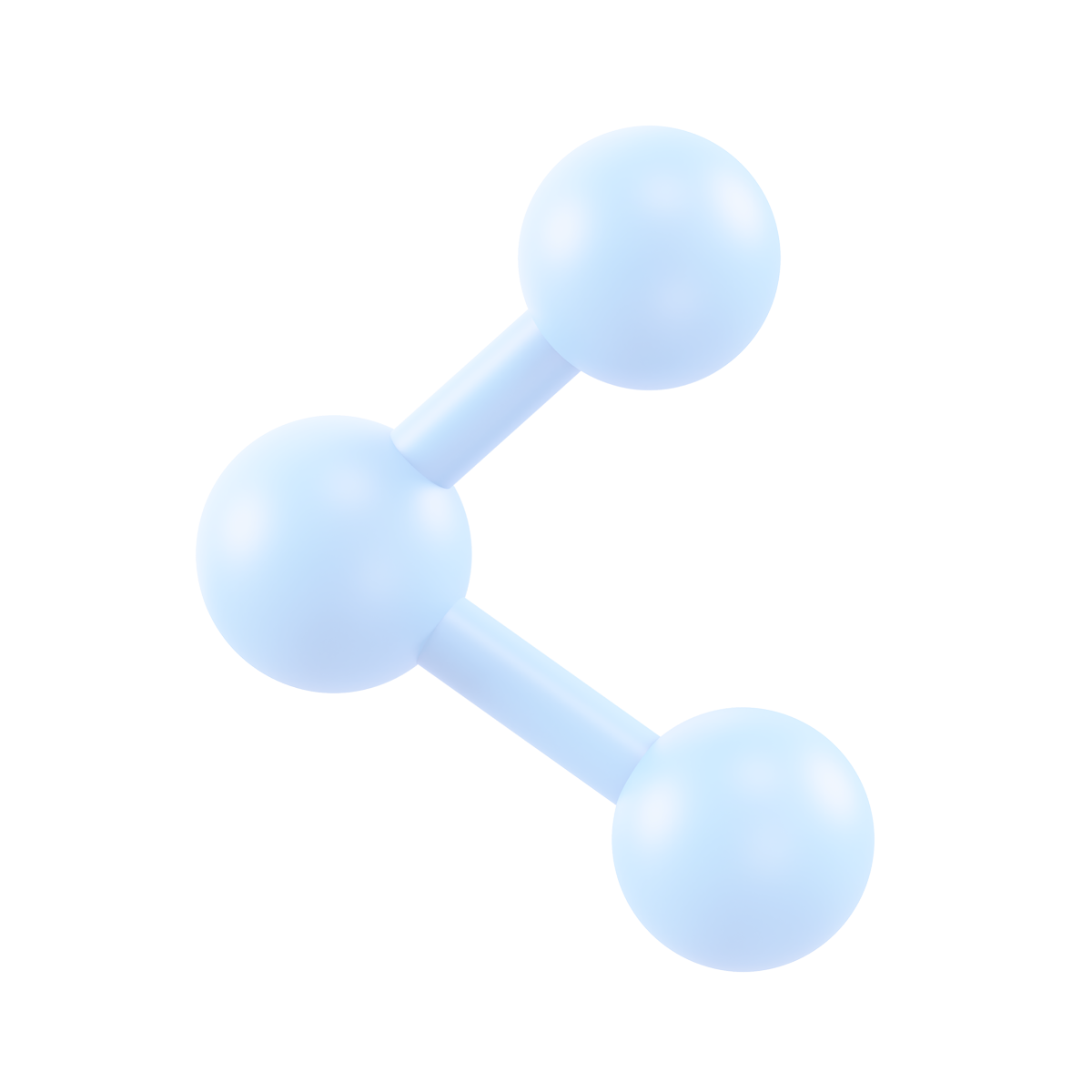
Electrolytic ozone is produced by applying an electrical current to water, which splits oxygen molecules (O₂) into individual oxygen atoms (O). These free atoms quickly bond with existing oxygen molecules to form ozone (O₃). This freshly generated O₃ is a highly effective sanitizing agent used for disinfecting water, water systems, and a wide range of industrial equipment.
This ozone-generation method is simple, energy-efficient, and extremely effective at eliminating harmful microorganisms. Because electrolytic ozone is created directly within the water system, the risk of contamination is significantly reduced. This makes it an ideal solution for facilities that need consistent access to clean, microbe-free water with precise control over the sanitization process.
Benefits of the EOG (Electrolytic Ozone Generation) Method
The Electrolytic Ozone Generation (EOG) technology used by the Pavati is recognized worldwide as a simpler, safer, and more efficient way to produce highly concentrated ozone for sanitization. Unlike traditional ozone production methods, EOG creates non-corrosive ozonated water using only water and low energy consumption—making it a cleaner and more sustainable solution for both commercial and residential applications.
No Toxic Byproducts
Electrolytic ozone systems do not produce harmful byproducts such as nitrogen oxides (NOx), which are common in other ozone generation methods and can be dangerous to people and the environment. Instead, the only byproducts are water and hydrogen, resulting in a safe, user-friendly ozone water system suitable for households, businesses, and professional sanitation environments.
Higher Ozone Purity
BioSure’s EOG technology instantly generates dissolved ozonated water at concentrations significantly higher than industry standards. The EOG process produces ozone at a 28% purity level, compared to less than 3% for corona discharge systems and less than 0.03% for ultraviolet (UV) ozone generators. This higher purity level delivers maximum sanitization performance and greater efficiency.
More Effective at Lower Concentrations
Ozonated water produced through electrolysis is more effective even at lower concentrations, making the EOG method a cost-efficient and time-efficient solution. This enhanced effectiveness means you achieve stronger sanitizing power with less ozone output compared to other methods, reducing operational costs while improving overall performance.
Frequently Asked Questions
Q: Do I need a whole-building system or just a point of use treatment?
A: If your goal is to improve water specifically for drinking and cooking, a point-of-use high-performance carbon system is typically sufficient. If you want protection for your plumbing, ice machines, dishwashers, and other appliances—and filtered water at every tap—then a whole-building (point-of-entry) system is the better solution.
Q: Can Pavati systems handle well water?
A: Yes — well water often requires iron removal, sediment control, and sometimes Biosure disinfection. Pavati and our service partners design systems specifically for well-source challenges.
Q: How often do filters need changing?
A: Cartridge life depends on use and incoming water quality. Typical filters: 12 months; carbon media: 12 months; RO membranes: 2–4 years; UF Filtration: ~3-5 years.
(Pavati Water Products provides guidance based on your system and water analysis.)